

Summer
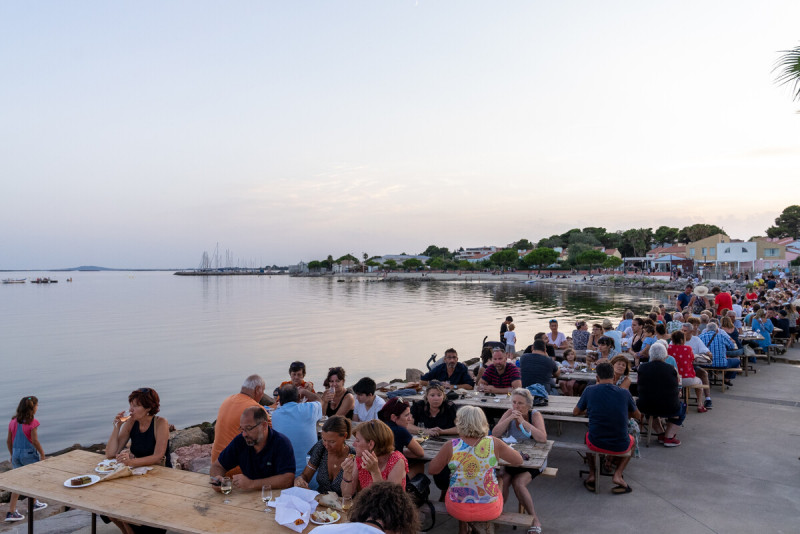
Summer is shaping up to be beautiful, hot and long... the perfect recipe for a lovely evening with friends or family. But what about spicing things up with an unusual experience at sunset? That's what we've come up with in this top list of things to do at dusk!
Kayakmed
We're off to a great start with a sea kayaking excursion on the Bassin de Thau. But before you take to the water with your paddle, let your instructor tell you what's in store for you on this tour with the evocative name "Sun Sète" (6-9pm). Once you've been introduced to the water, you can finally head off in the direction of Les Thocs, a real lagoon in Languedoc. It's here that you can watch the sunset while sipping a glass of local Muscat. Find out more here.
A little extra: Kayakmed has been awarded ...
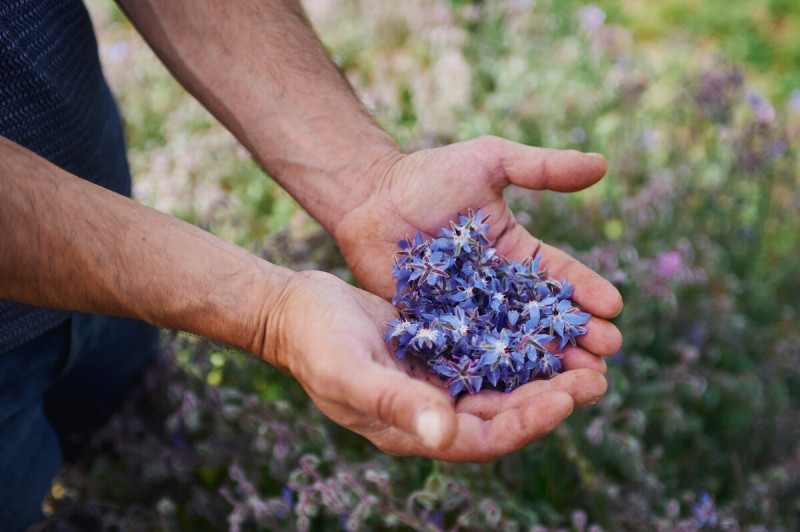
Who would have thought it? Red gold in the Thau Archipelago! As well as being renowned for its oysters, wine and Muscat, the area boasts not one, but two saffron farms! So there's no excuse to make your dream come true and enjoy a fragrant excursion to Villeveyrac.
The saffron shop
Overlooking the Thau Basin, we invite you to discover this first saffron farm of 6000 m² nicknamed "La boutique du safran" or "My home farmer" and its owner Jorge Fernandez.
Passionate about plants and flowers for their aromas and effects, Jorge will be happy to take you on a fragrant journey to discover this red-orange spice, but also the aromatic plants and elderberries that he grows organically.
He will also share with you the traditional techniques inspired by permaculture and elect...

It is exactly in the port of Marseillan that the mythical James Bond cocktail was born, or more precisely the Noilly Prat house! A real institution in this village on the banks of the Thau lagoon, it offers visitors the chance to try their hand at making their own vermouth-based cocktail, but also to take a trip back in time thanks to its themed guided tours.
Discover
To get a first glimpse of the Noilly Prat house, you should choose the guided tour entitled "Discover". Accompanied by the cellar master, let yourself be guided to discover the ancestral know-how of the house, unchanged since 1813, through :
the enclosure, an immense open-air cellar ;
the chamber of secrets where the perfumes of plants and spices from all over the world are concentrated;
a...
No matter which destination you have chosen for your holiday in the Thau archipelago, we invite you to take advantage of these few days to get away from it all and discover the 14 communes that make up our destination.
You can also find more information in our magazine.
Balaruc-le-Vieux
Set on a hillock, the village dominates the creek of the corner with a view on the lagoon. A medieval village wrapped in its ramparts, which magnifies the past. We love to get lost in its narrow streets.
Discover Balaruc-le-Vieux
Balaruc-les-Bains
The first spa in France, Louis Bonaparte already came here for a cure in the 19th century! People come here to enjoy the benefits of its thermal waters, but also to stroll through the flowery alleys of the Mediterranean Ant...
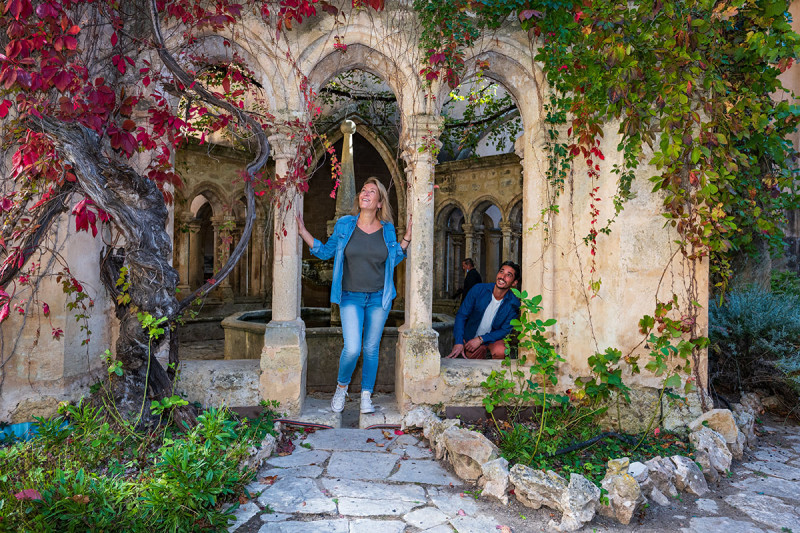
Today, we are heading for Villeveyrac! We are going to discover the "cathedral of the vineyards"...
After taking a winding country road, we arrive in Villeveyrac and see the imposing building erected in the middle of the vegetation and the vines. The closer we get, the smaller I feel in the face of such grandeur. I can't wait to discover what's behind these old stones.
Entering the abbey, we quickly find ourselves in the nave. It takes my breath away. Its size, its gothic architecture and the height of its vault create an atmosphere that commands respect. And we are not at the end of our surprises: all along the aisles of the nave there are wine casks, large barrels of several hundred hectolitres. We then understand that the history of the abbey is closely linked to that of th...
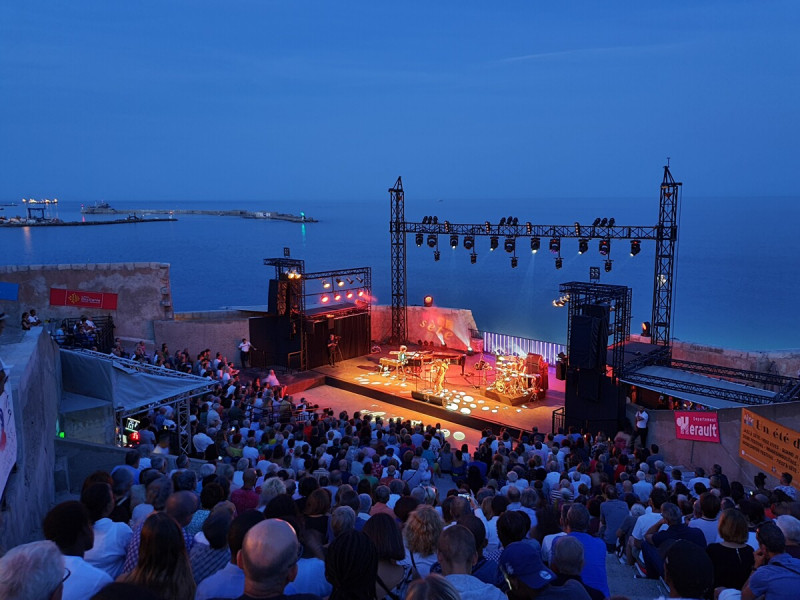
If you are looking for an idea to occupy your winter or summer evenings or to entertain your children, this article is for you! Indeed, the Thau Archipelago is full of theatres and concert halls where young and old alike can be entertained.
Theatre, concerts, dance, one-man shows, musical tales, puppets... There's something for everyone and in every season. So, curtain up!
The Molière Theatre, Scène Nationale (Sète)
Located along the Avenue Victor Hugo, the Molière Theatre is a well-known venue for the people of Sète. Here you can enjoy theatre, but not only! With nearly forty shows on offer throughout the year, you will be spoilt for choice: music, dance, opera... There are even shows for children.
For the record, we owe this Italian-style theatre to the archit...
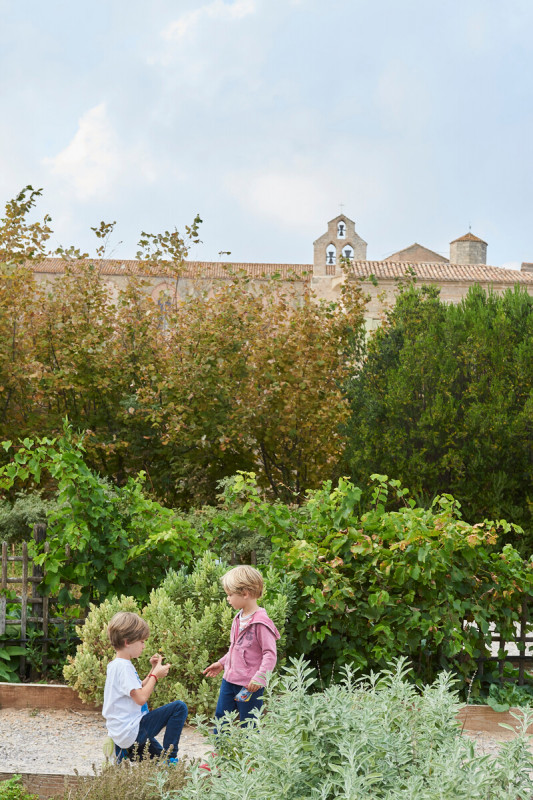
What better way to (re)discover the Thau Archipelago, its towns and monuments through a treasure hunt during your family holiday? This is the experience you can have in Sète, Villeveyrac, Frontignan-Plage or Balaruc-les-Bains. Don't wait any longer!
Barberoussette: the treasure hunt for young and old (Sète)
According to legend, the famous pirate Barberoussette was active in the maritime city at the end of the 16th century and hid his treasure there. Even today, many adventurers have tried to find it... Without success! Fortunately for you, the pirate left several pieces of the map that allow you to find his riches in Sète.
But before you can hope to find them all, you will have to solve several riddles related to the monuments and history of Sète. Go to the tour...
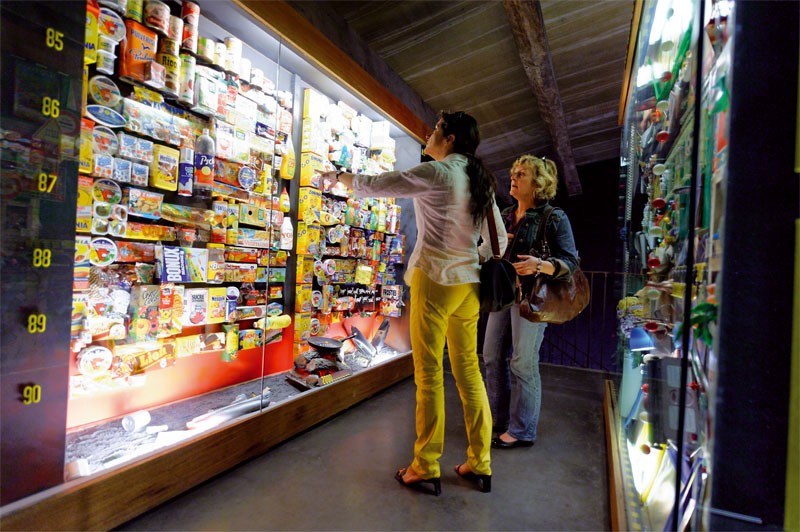
Discover different art forms in a resolutely cultural destination
Let yourself be surprised by the artistic worlds of the different museums of Sète. In this city that has always inspired artists, enjoy permanent and temporary exhibitions, to be discovered all year round.
The prestigious Paul Valéry Museum and its renowned exhibitions: world-renowned artists are on display. In addition to the permanent collection of Fine Arts, there is the Paul Valéry collection and a collection of popular arts and traditions.
Located on the Sète quays facing the old port, the Centre Régional d'Art Contemporain Occitanie is a laboratory for artistic creation. It offers a programme of temporary exhibitions accompanied by the production of works. Many meetings are organized to promote t...
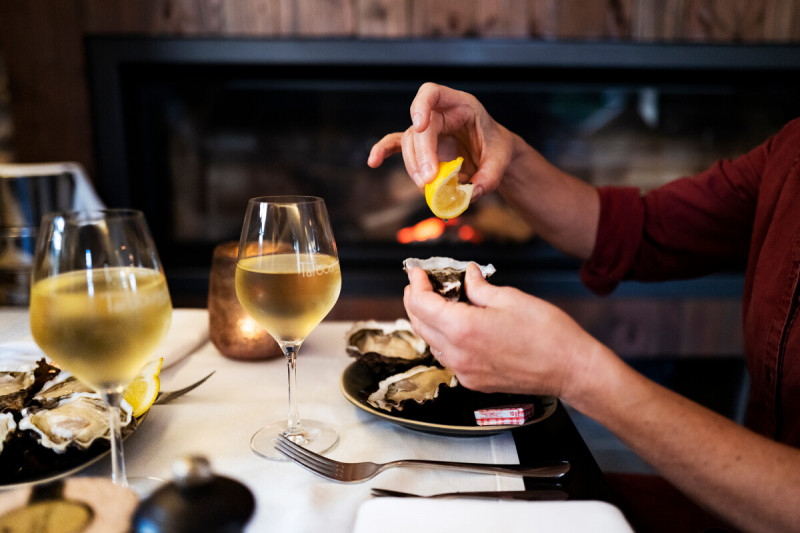
Famous, among other things, for its oysters, the Thau Archipelago offers a glimpse of its gastronomic heritage in the many shellfish farms and oyster bars in the area. But even more surprisingly, in the spa of the Tarbouriech domain... We tell you more in this dedicated article.
The estate
Between the vineyards and the lagoon stands an old folly, accompanied by its former wine storehouse... This is the Tarbouriech estate. A true family home managed today by Sabine and Florent, it honours well-being and offers Thau oysters in all their forms.
But before telling you more about the activities that await you during your stay at the Tarbouriech estate, let us introduce you to the four rooms and suites in the mansion house, the two lodges in the 13th century barn with the ...
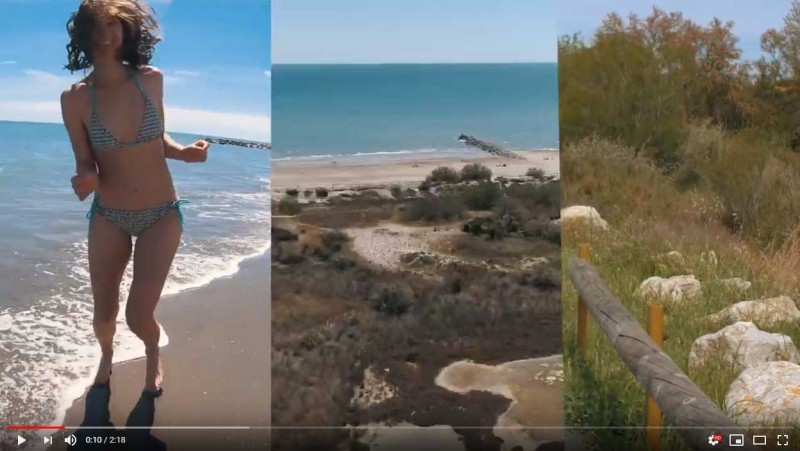
Ideal place for a break in nature,
Frontignan will offer you a new breath!
We have booked for our weekend a guest room in the Frontignan beach area. Welcomed in this pretty apartment by the sea, we enjoy an evening of picnicking on the sand.
An awakening to the sound of the waves, we saw that sports classes on the beach are offered. So we will take advantage of a Yoga session to start the day off right. Then to a beach restaurant, it's the opportunity to eat fresh fish!
From there we rent bicycles, we have been told about the Muscat Festival, and we intend to discover this "muscat petit grains" grape variety wine that makes the city's reputation. Head for the city centre to discover this famous muscat and the other wines of the region.
We take our tasting tickets and o...
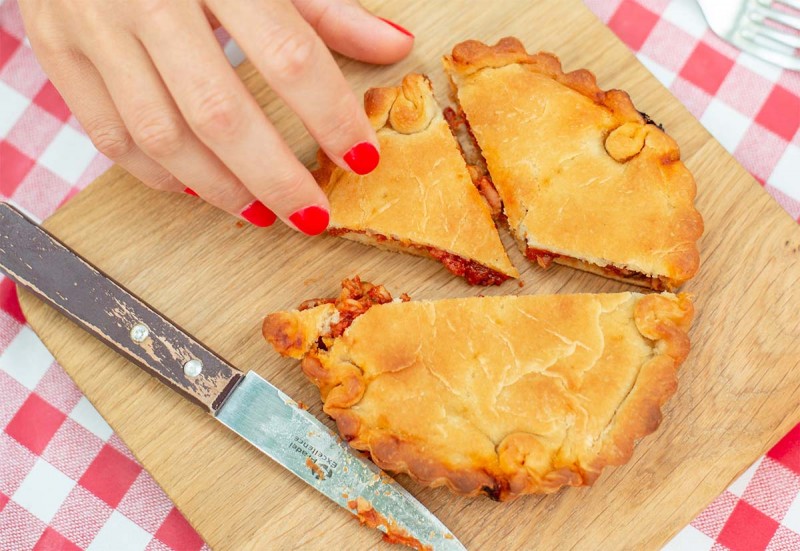
Today, I'm learning to make the famous Sète tielle
to bring back the flavours of my vacation with me.
I have often heard about the tielle, this octopus pie and tomato sauce. I like to travel, but above all, I like to taste the culinary specialties! There's no better way to discover a culture, is there?
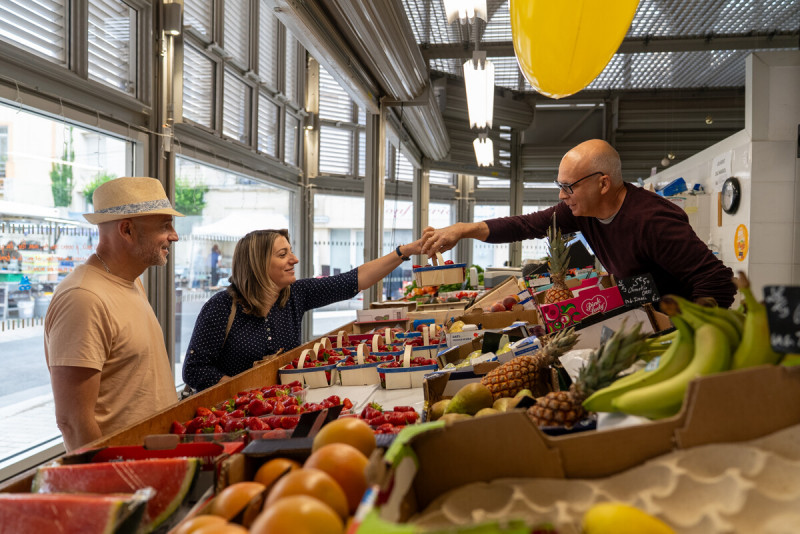
I go to the Halles de Sète to drink my coffee before starting the cooking workshop. The chef, very friendly, explains the origin of the tielle, its ingredients and how we will cook the octopus.
We start by making the dough, which was often the baker's dough at the time. A little flour, olive oil, yeast and salt, we knead well and here is our dough ready, we will let it rest until we prepare the rest.
The thawed octopuses, ready to boil, in a saucepan. Now we remove ...
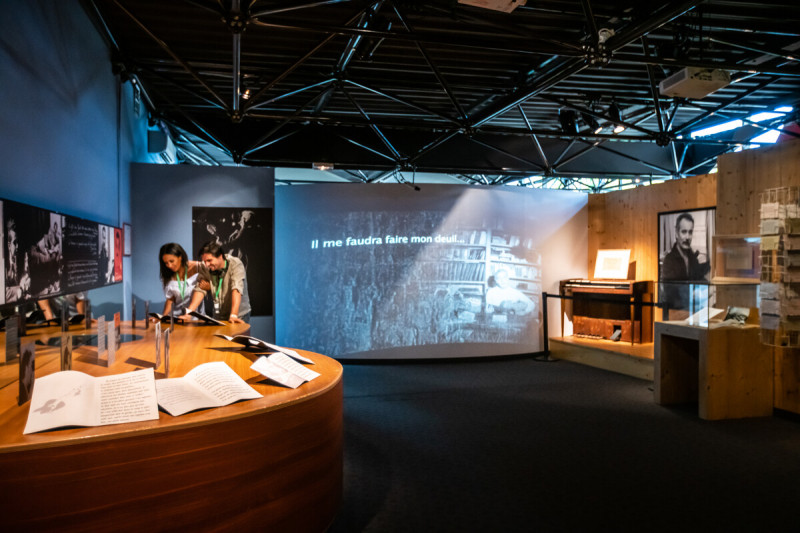
Between tasty local specialities and abundant cultural creation, Sète abounds in both cultural and gourmet treasures. Its historic centre, its port, the famous Cadre Royal, its beaches, the Mont Saint-Clair or the Pointe Courte district, there are so many things to discover... That's why we've put together a top 20 list of Sète's must-sees. With a little bonus! So, don't wait any longer to explore this "singular island" with its undeniable charm.
The city centre
Between canals, quays and small squares, you will immediately be charmed by the city that is now known as the "Venice of Languedoc".
Founded in 1666 by Louis XIV to give a maritime opening to the Canal du Midi, Sète reveals its history during a stroll through the historic centre, particularly along the Cadr...
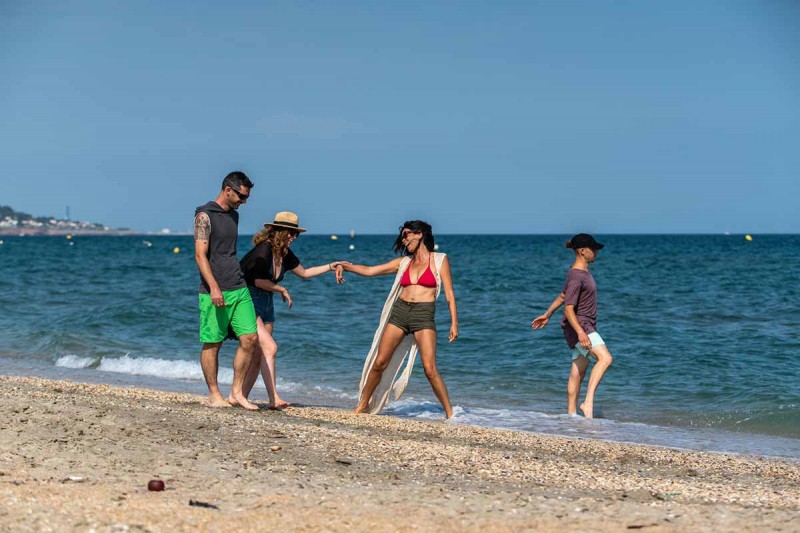
In the destination Sète Archipel de Thau,
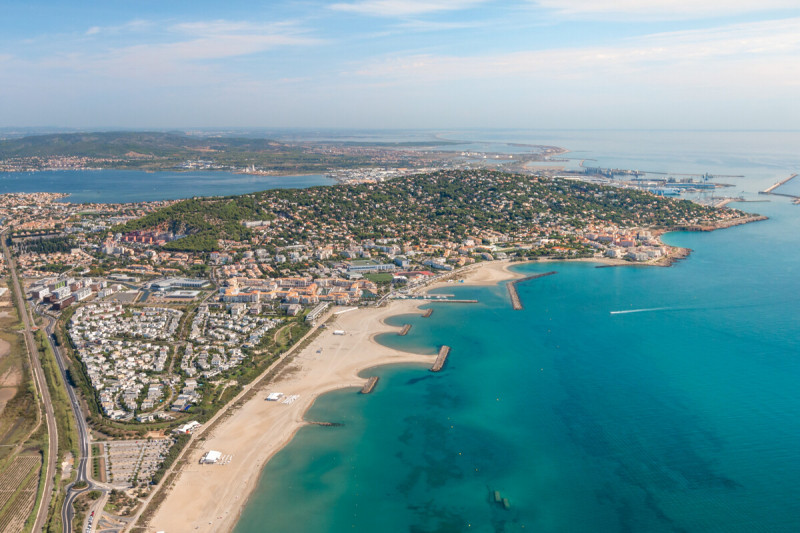
25 km of fine sandy beaches are available to you.
Here are my tips for choosing the right page for you!
I want an accessible and family beach
You who never travel without your clan, you've come to the right place. Believe me, there is no shortage of family beaches in the Thau archipelago! To enjoy accessible beaches and offering a full range of useful services (surveillance, showers, toilets, PMR access), direction Sète, Marseillan Plage or Frontignan Plage. You can also opt for the beaches of Mèze, Bouzigues, or Balaruc-les-Bains which are ideal for toddlers, who can wade in shallow water and without electricity.
I like to think outside the box
If you are looking for a more "natural" place, the beach of Les Aresquiers, ...
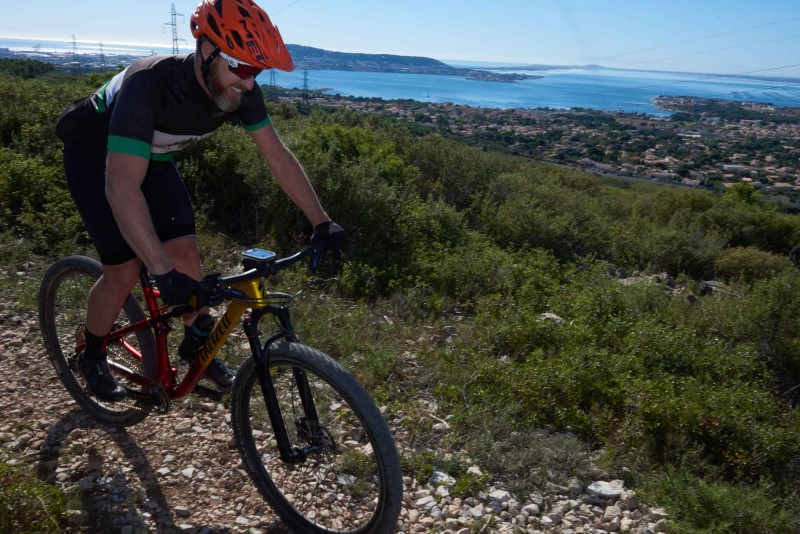
This summer, it's decided, I'm opting for an eco-responsible holiday! I rent a bike in Sète, and I'm going on a mop, discovering the diversity of the landscapes of the Thau Archipelago.
Heading for the Gardiole
The Gardiole massif is a beautiful playground for thrill-seekers. If, like me, you are a seasoned sportsman, don't hesitate to go there, preferably in the early morning to avoid the heat. Take advantage of your outing in the garrigue to admire the exceptional view that the massif offers you over the lagoon and the Thau archipelago, a great reward after the effort!
In Sète, there are the beaches of Paul Valéry,
Georges Brassens...
but there's also a life after the beach
A life of hut, on Mont Saint-Clair. A cultural life, with the Chapelle du Quartier Haut, the MIAM or the Espace Brassens. A lively culture also, from the Pointe-Courte fishermen's quarter to the Halles centrales, where you can taste tielles and shellfish, without forgetting the daily ball of the trawlers returning to the port.
A nocturnal culture too, with the fairy tale of the canals at night or the Théâtre de la Mer and its magical scene. More than a view, a vision....
Treat yourself to a privileged moment in an exceptional setting!
There's nothing like a trip with friends to forget the little worries of everyday life and recharge your batteries!
Yoga-paddle, spa, straw huts in the Thau Archipelago, we have absolutely everything you need!
In Sète, we live with the elements, and in particular with water,
that lifts you up and takes you away
Enclaved between the Mediterranean and the Thau Lagoon, the singular island lives to the rhythm of the water. On the water, in ULM, hobie cat or sea kayak; underwater, diving to discover Lagunethe coves of Sète; above the water, in ULM, parachute or kite surfing.
But Sète is not only the song of the waves, it is also the many festivals that punctuate the summer season, such as the Worldwide Festival, or the evenings spent strolling in beach bars....
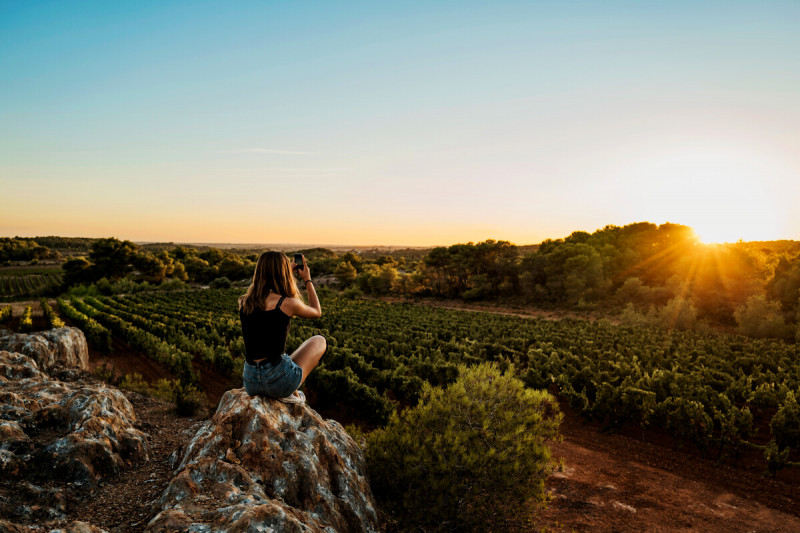
Between the sky and the water, protected treasures
By Julia Laffaille
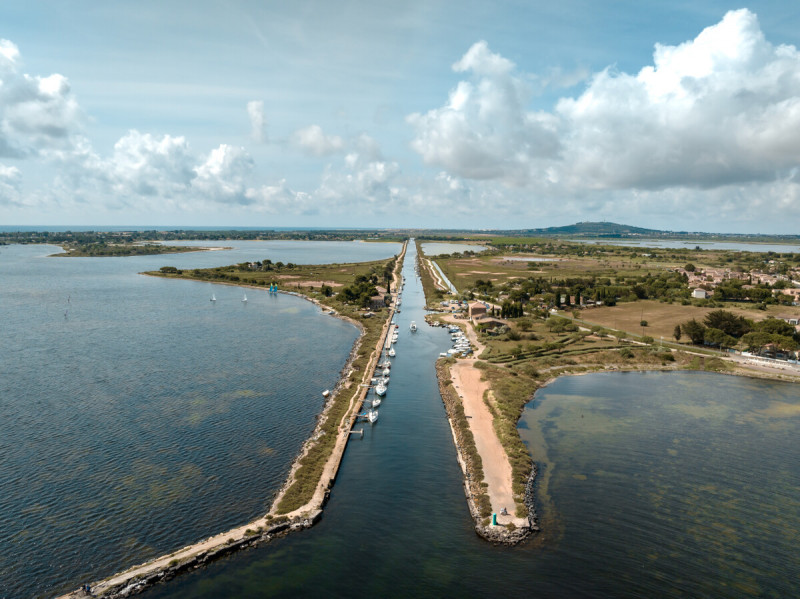
A veritable patchwork of landscapes, the Thau Archipelago, nestled between the Mediterranean and the wide open spaces of the garrigue, is a small preserved paradise. This territory has always been a promise of travel and of a still wild nature just a stone's throw from the beautiful Occitan villages. So, I went back to explore these sunny landscapes to discover all these protected natural treasures.
By the sea, a stone's throw from the blue waves
Here, the inhabitants live alongside this idyllic setting on a daily basis and water is certainly a character in its own right. Lagoons, ponds or even salt pans are all environments that have shaped the landscapes in which Man has been able to develop ...
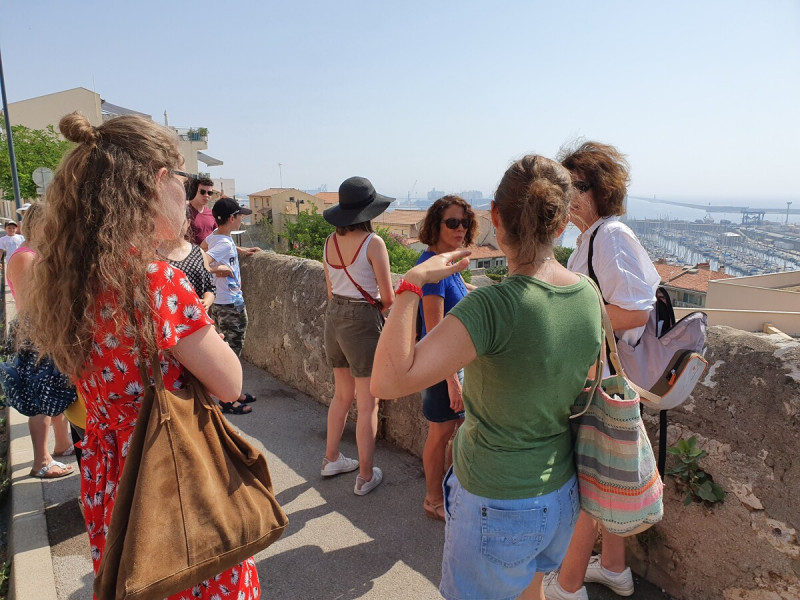
What better way to discover all the secrets of Sète than to take a tour with one of our guides? Whether you want to know everything about the life of Georges Brassens, the Molière theatre or the amazing street-art that covers the walls of the surprising MaCO, explore the port city every school holiday. Discover all the guided walking tours offered by the Office de Tourisme Archipel de Thau.
SÈTE HISTOIRE-LÀ
For history lovers, we suggest you start your stay with the "Sète Histoire-Là" guided tour. Meet your guide every Tuesday during the school holidays on the Place de l'Hôtel de Ville to escape for about two hours.
You will go back to the time of the creation of the port, through the upper quarter, before taking your way back to the marine cemetery and going back ...
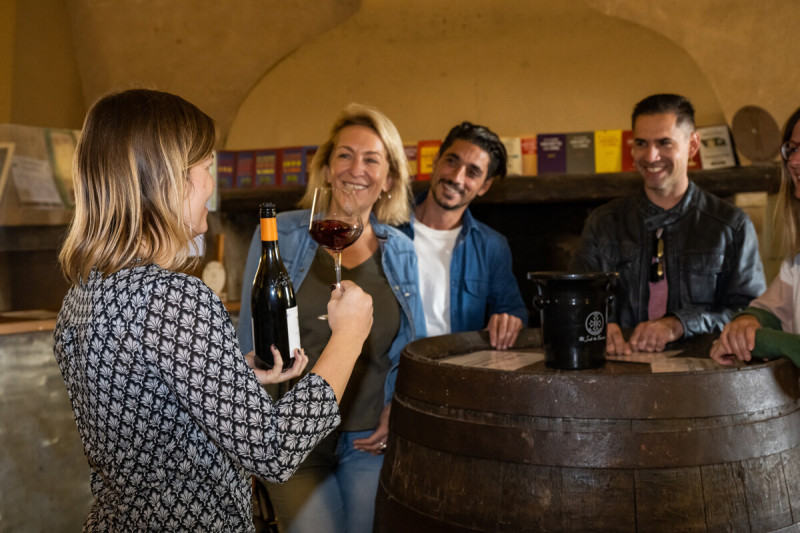
Whether you are looking for the perfect gift or the wine that will go perfectly with your food at Christmas, you will make a great discovery this winter in the Thau Archipelago thanks to the wine tasting at Valmagne Abbey, preceded by a visit to the historic monument. And if you're still hesitating, let us convince you with our article dedicated to this unmissable stage of our destination!
A little history
Founded in 1139, Valmagne Abbey can boast many assets: "one of the most beautiful Cistercian abbeys in France"; "one of the best preserved examples of Cistercian art"; "one of the oldest vineyards in the Languedoc"; "the cathedral of wines"...
But what makes its richness above all is its history, the traces of which can be found in its 29m high central nave, in it...
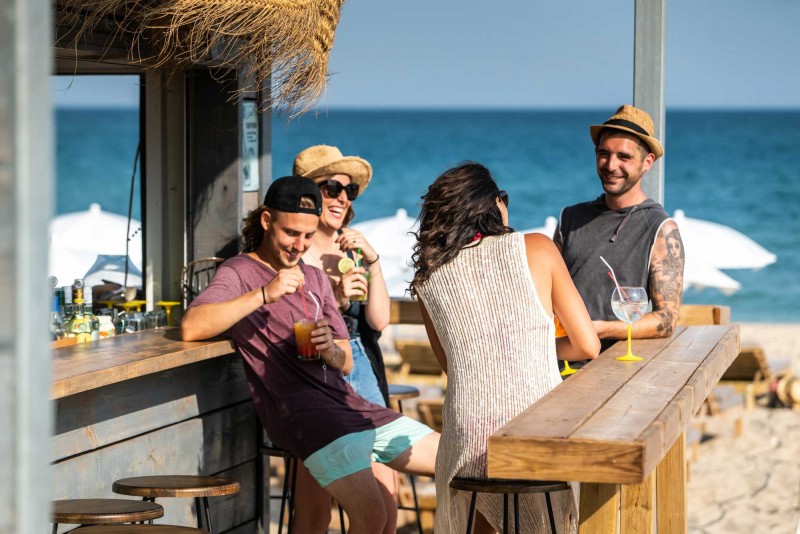
Summer vacation with friends is clearly the best time of the year. No schedules, no strings attached, just cool sharing time.
When I booked the summer holidays for our group of friends, I already had a few criteria in mind, set during our last evenings: a trip that didn't make us waste too much time, a festival with a good program, the beach to recover from our evenings. And I had the perfect plan: the Thau archipelago.
After a few hours on the train, we disembark in Sète and put down our stuff. Just enough time to change our clothes, and here we go for an afternoon on the beach, which will finally turn into an aperitif in a straw hut.
After a short stop in our rental for a small shower, direction the city center and its lively terraces to eat a bite to eat. We find ours...
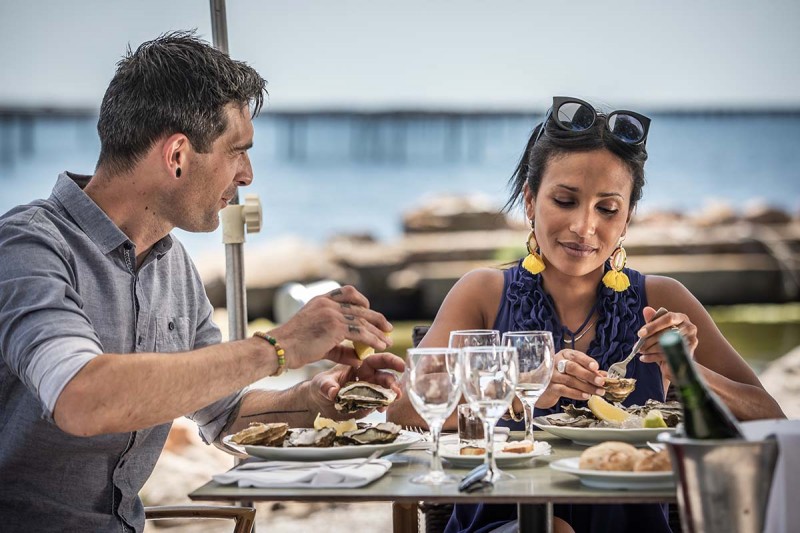
Today, I indulge myself and offer myself a shellfish tasting,
facing the lagoon.
We're not going to lie to each other... If I came to spend a holiday in the Thau Archipelago, it's not just to laze in the sun! Epicurean at heart, I especially want to taste all the local specialities, especially the famous shellfish from the Thau lagoon.
No time to waste! I'm heading for the north of the lagoon, between Bouzigues and Loupian, where producers offer tastings at their production site, the shellfish farms.
Once there, I am immediately in the mood. Objectives: pleasure and relaxation. And the setting is perfect for it. I sit at a table on a wooden terrace, facing the deep blue of the lagoon, with an extraordinary view of the oyster beds and Sète in the background. I feel lik...